العربية
 فارسى
فارسى Türkçe
 اُردُو
 Français
 Deutsch
 Kiswahili
 Español
 Azərbaycan
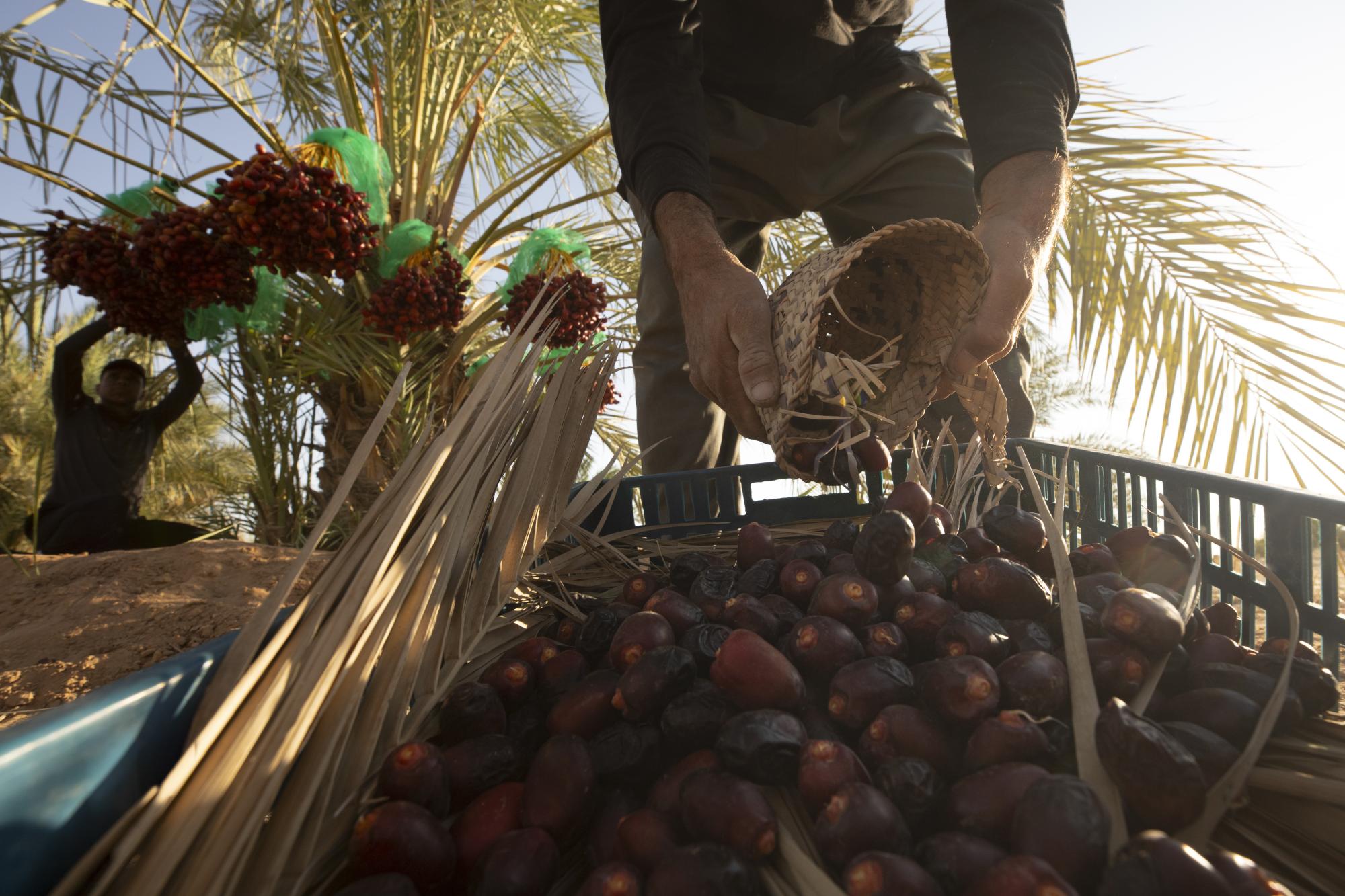
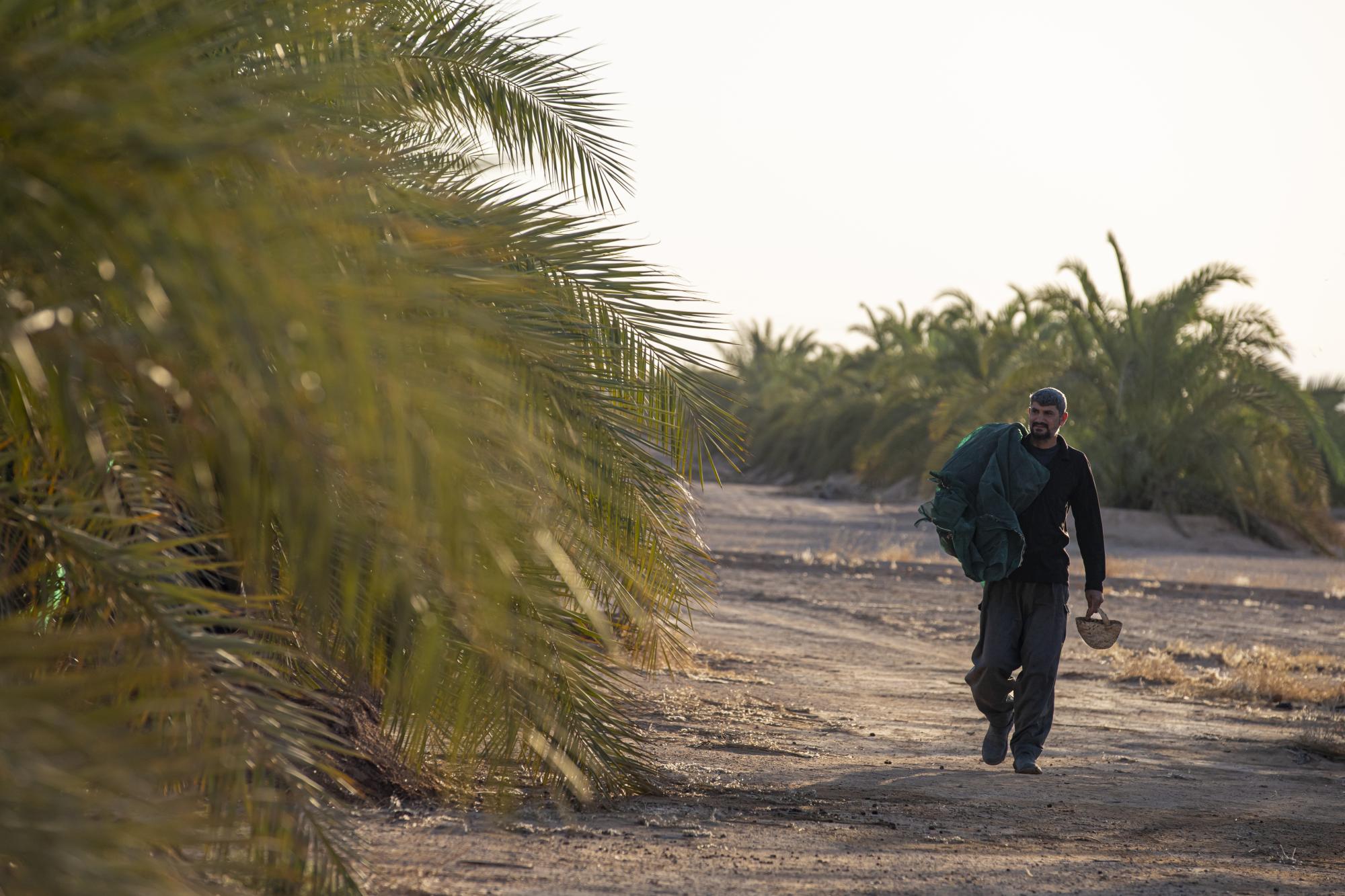
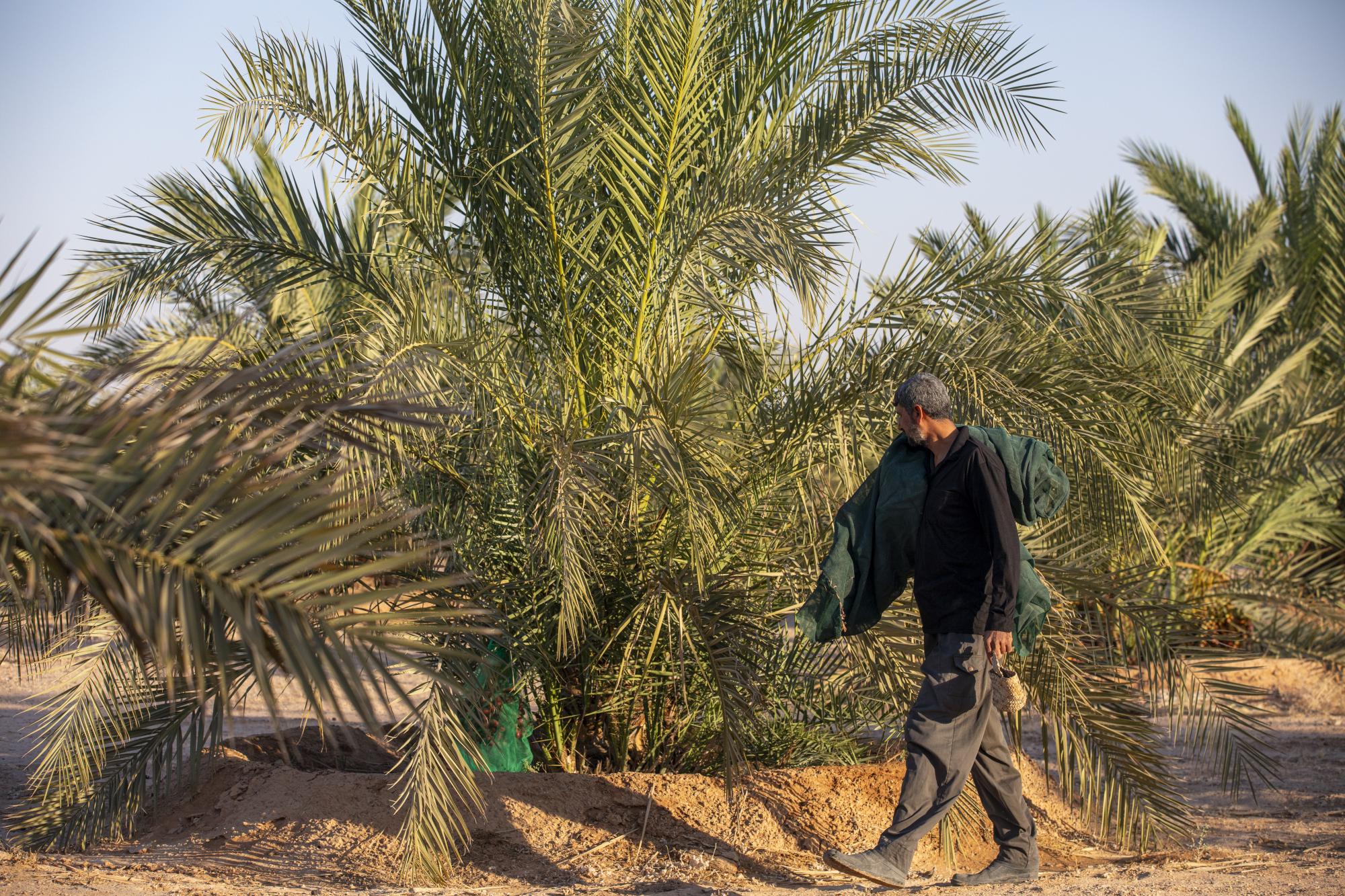
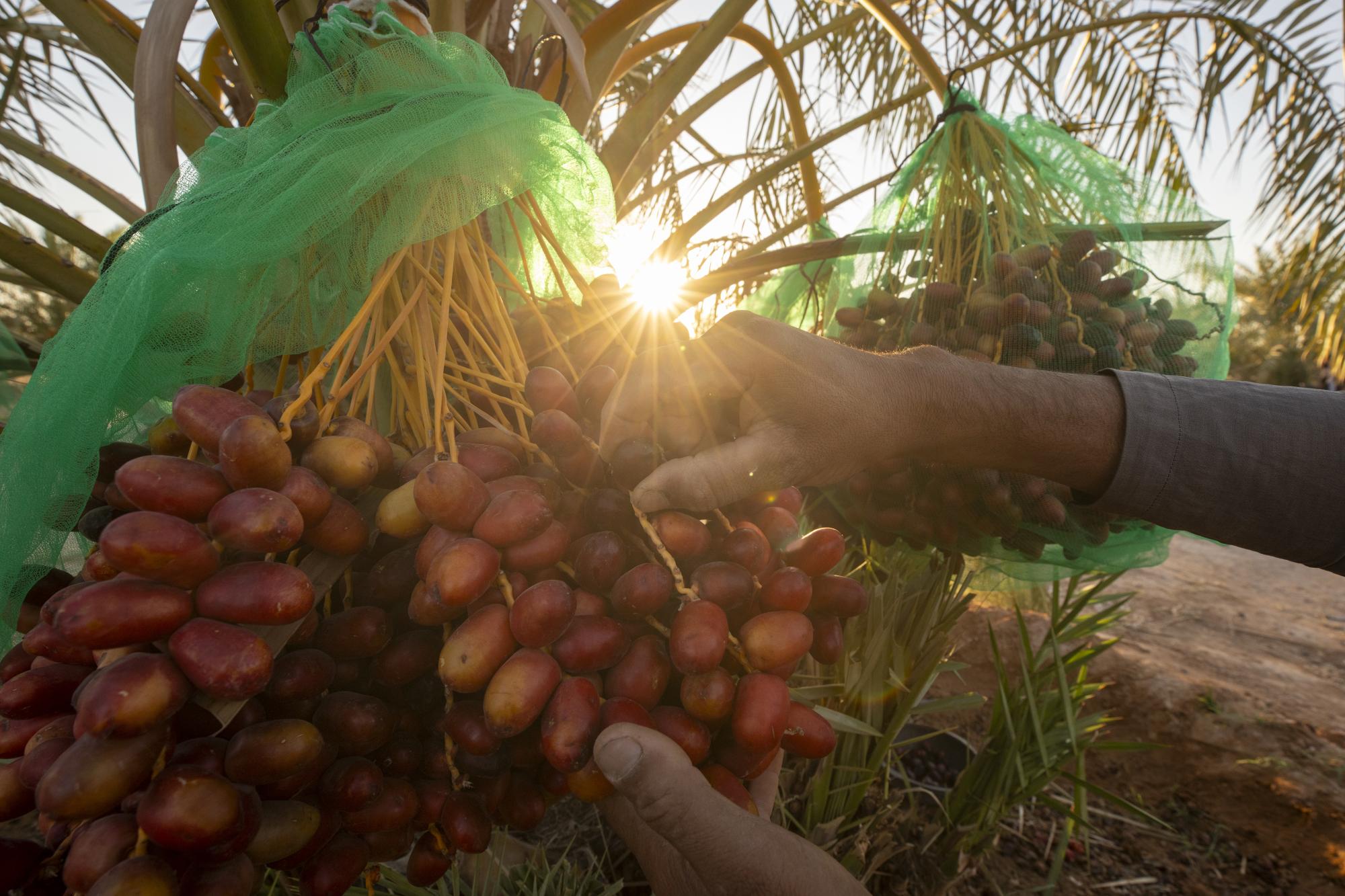
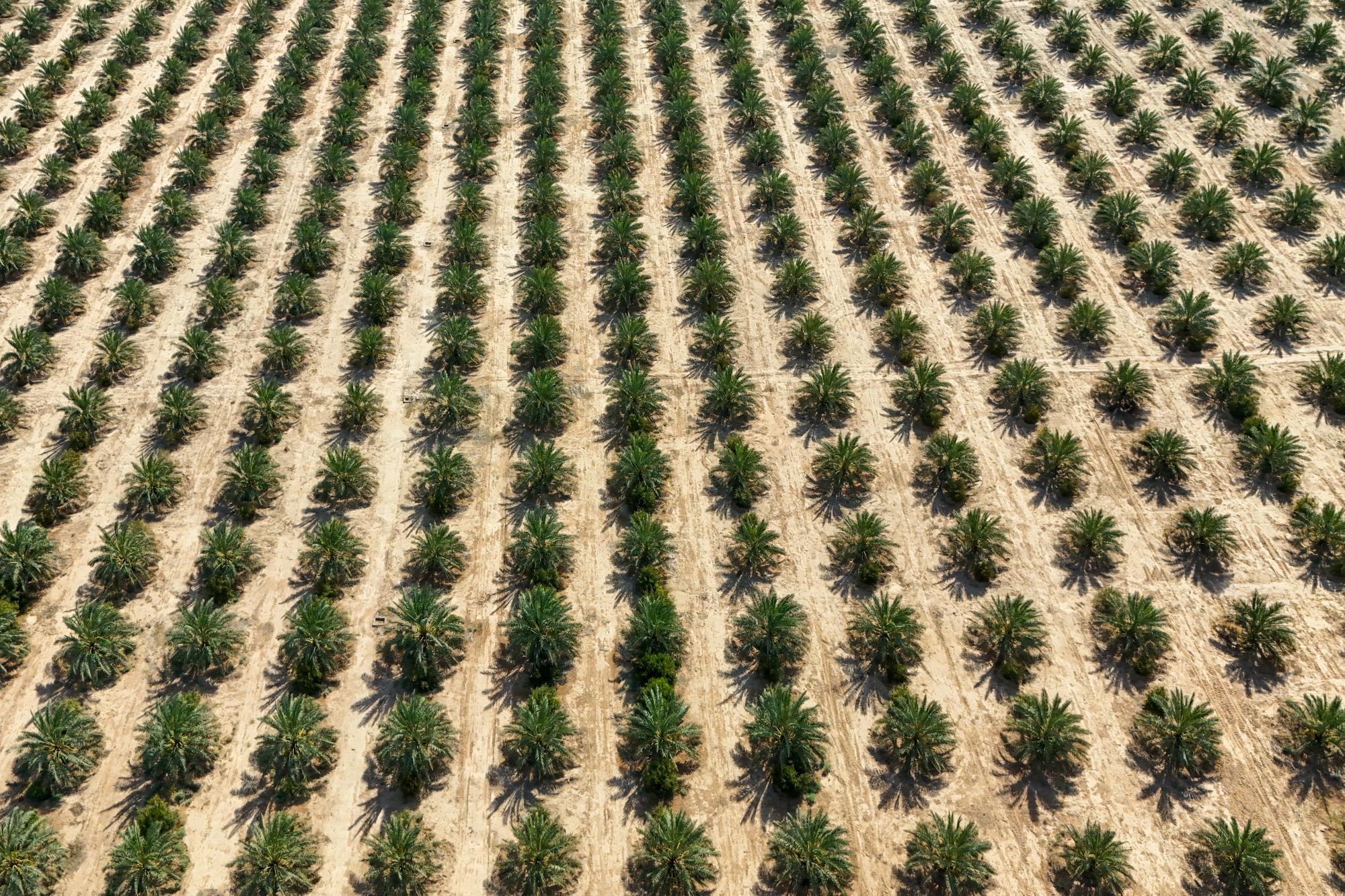
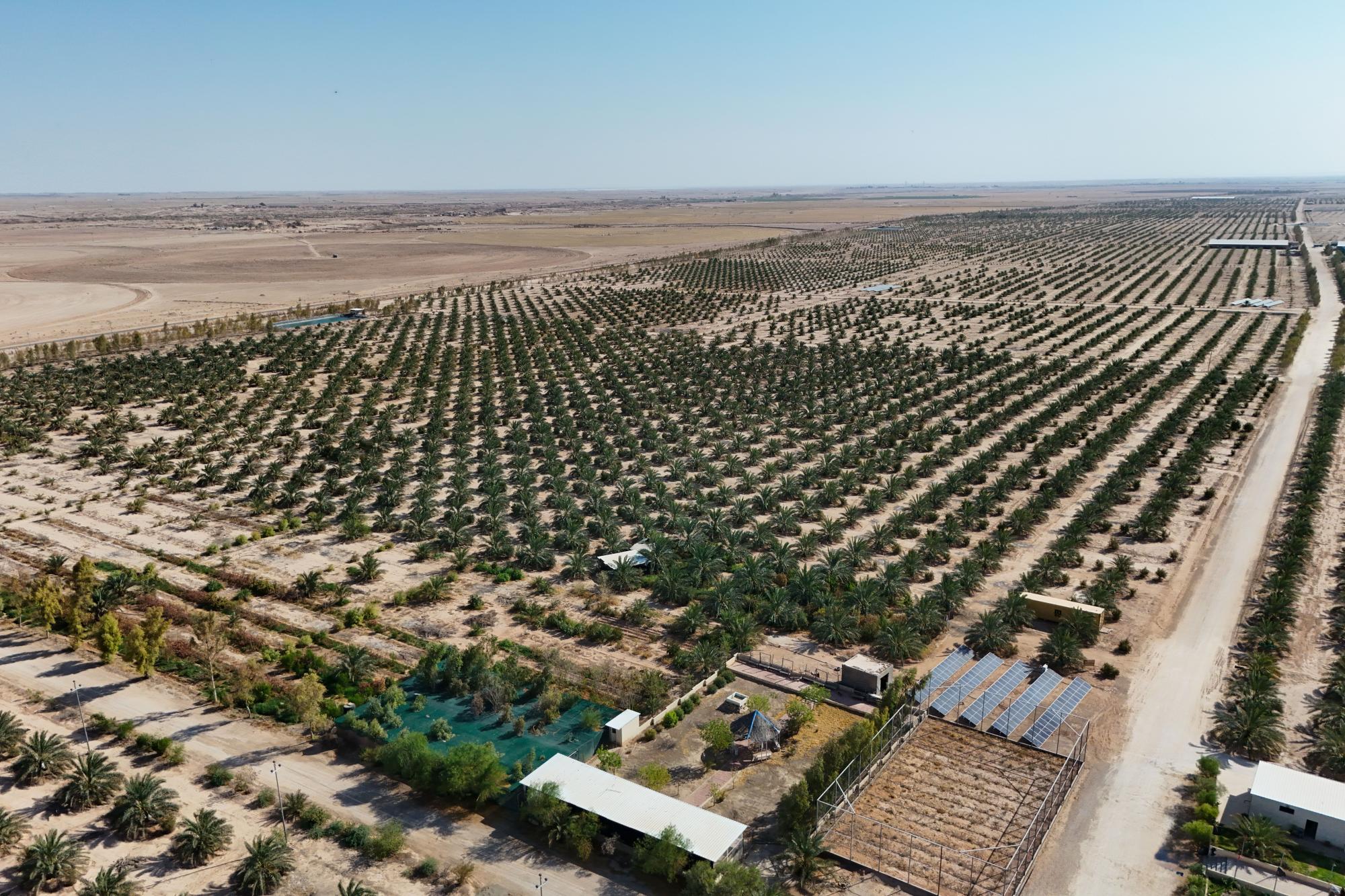
The technical assistant for the project, Engineer Alaa Medhat, said that the Al-Saqi agricultural project was established on barren and harsh desert land, with the first palm tree planted in 2017, marking the beginning of the project, which spans an area of 11,000 dunams and includes 40,000 palm trees distributed across more than 100 varieties of local and imported Arab palm trees. He added that the foundation of the project is based on planting and propagating palm varieties.
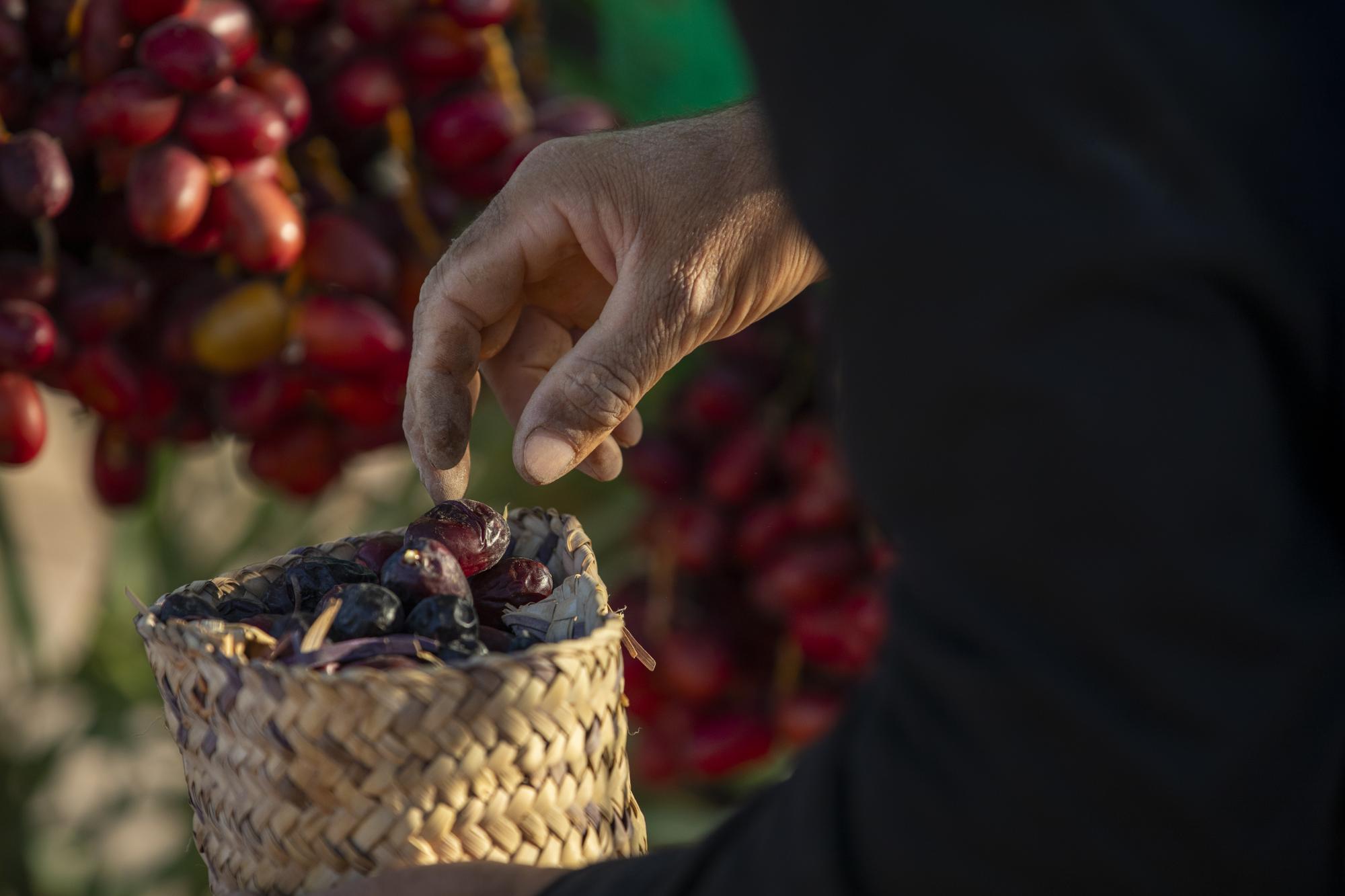
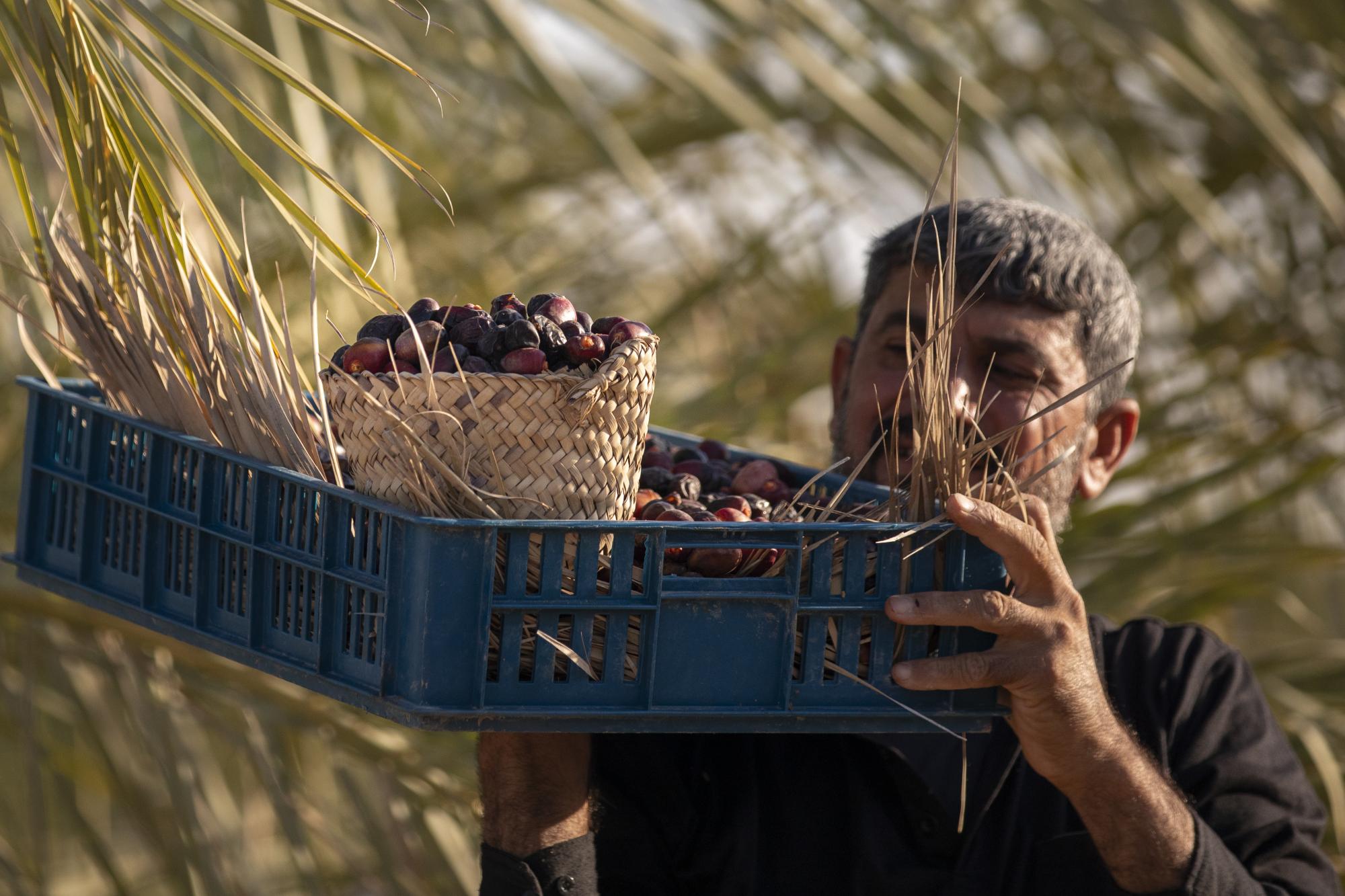
He added that the project contributes to supporting the local market, in addition to supplying the date syrup factory affiliated with the Al-Abbas's (p) Holy Shrine with the product, and supporting the direct sales centers affiliated with Noor Al-Kafeel Company for animal and food products at the Holy Shrine.
He pointed out that the project relies on drip irrigation for watering the palm trees, with the use of solar energy to operate the water pumps.
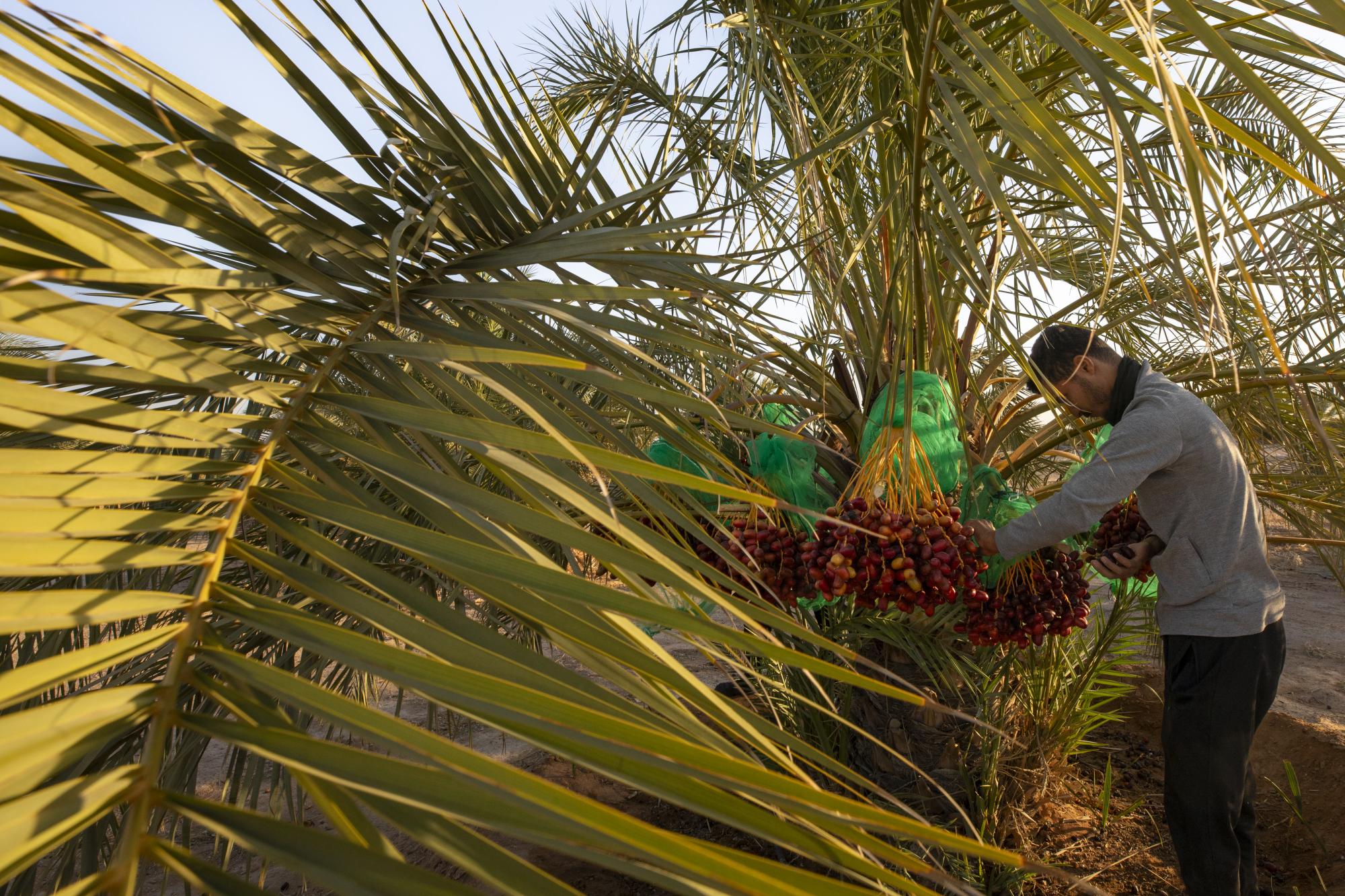
Medhat explained that the project aims to increase green spaces, in addition to providing job opportunities for young people, emphasizing that all the workers involved are from the local Iraqi workforce.
The technical assistant continued that the project relies on fermented animal manure for fertilizing the palm trees, in addition to utilizing the palm fronds available in the project. These fronds are processed in special machines to break them down, then mixed with the animal manure and left to ferment for a certain period before being used to fertilize the palm trees.
The Al-Saqi Agricultural Project is one of the initiatives adopted by the Al-Abbas's (p) Holy Shrine to support the agricultural sector in Iraq, particularly in Karbala Governorate, with a focus on reviving palm cultivation, expanding its production, and increasing its varieties. This contributes to enhancing local production, supporting the Iraqi market, and providing agricultural products for the food industries.