العربية
 فارسى
فارسى Türkçe
 اُردُو
 Français
 Deutsch
 Kiswahili
 Español
 Azərbaycan
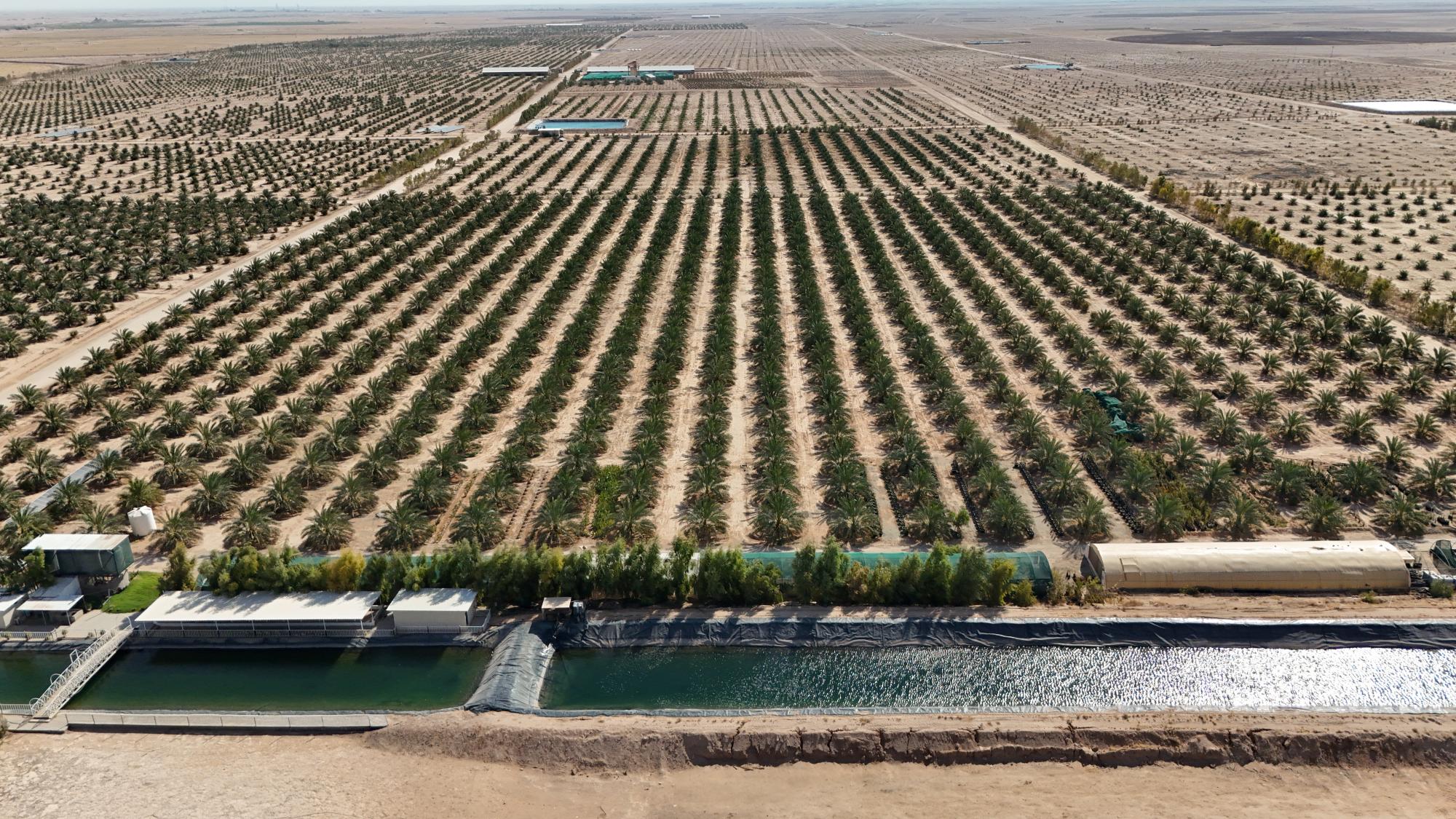
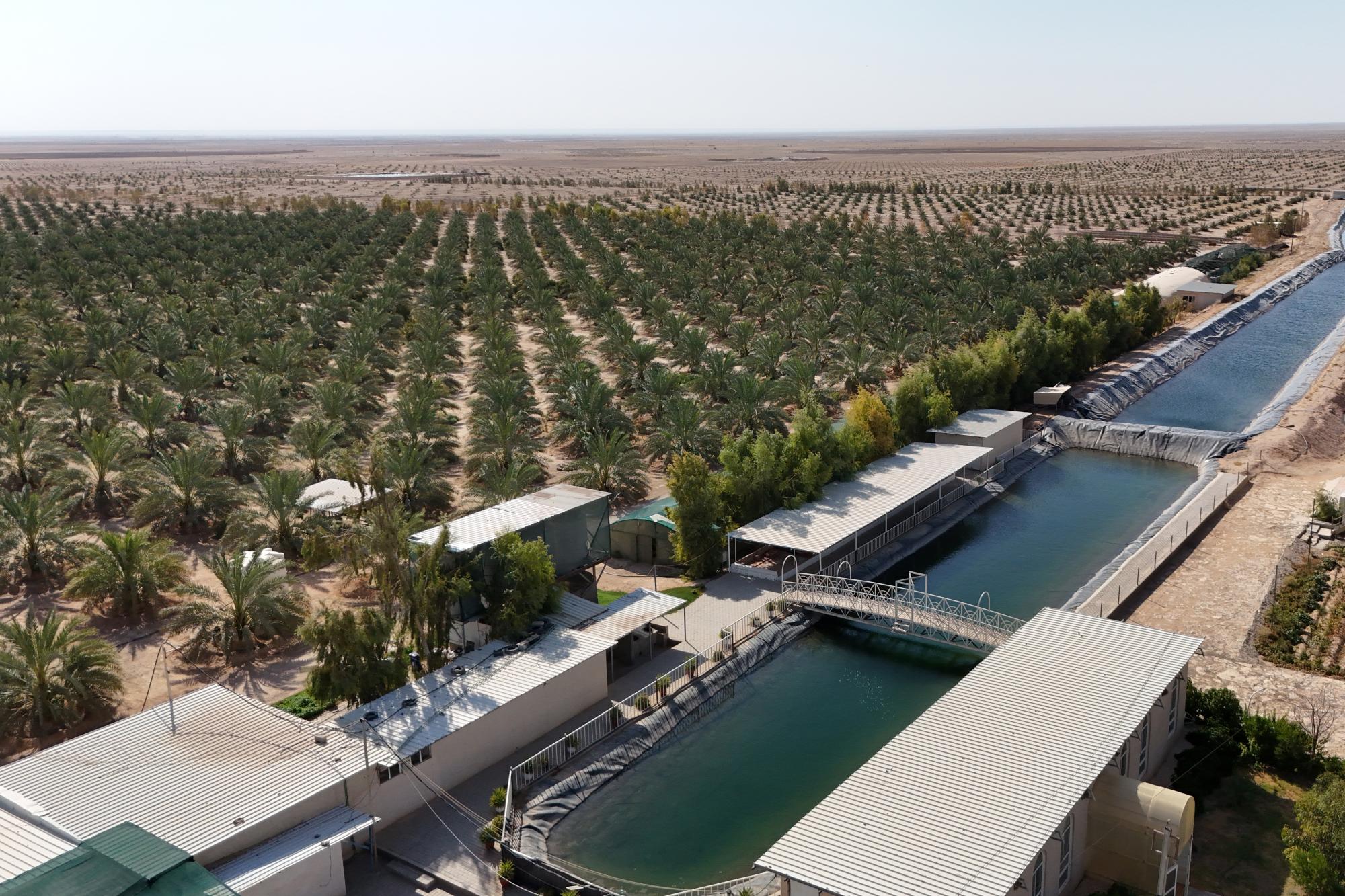
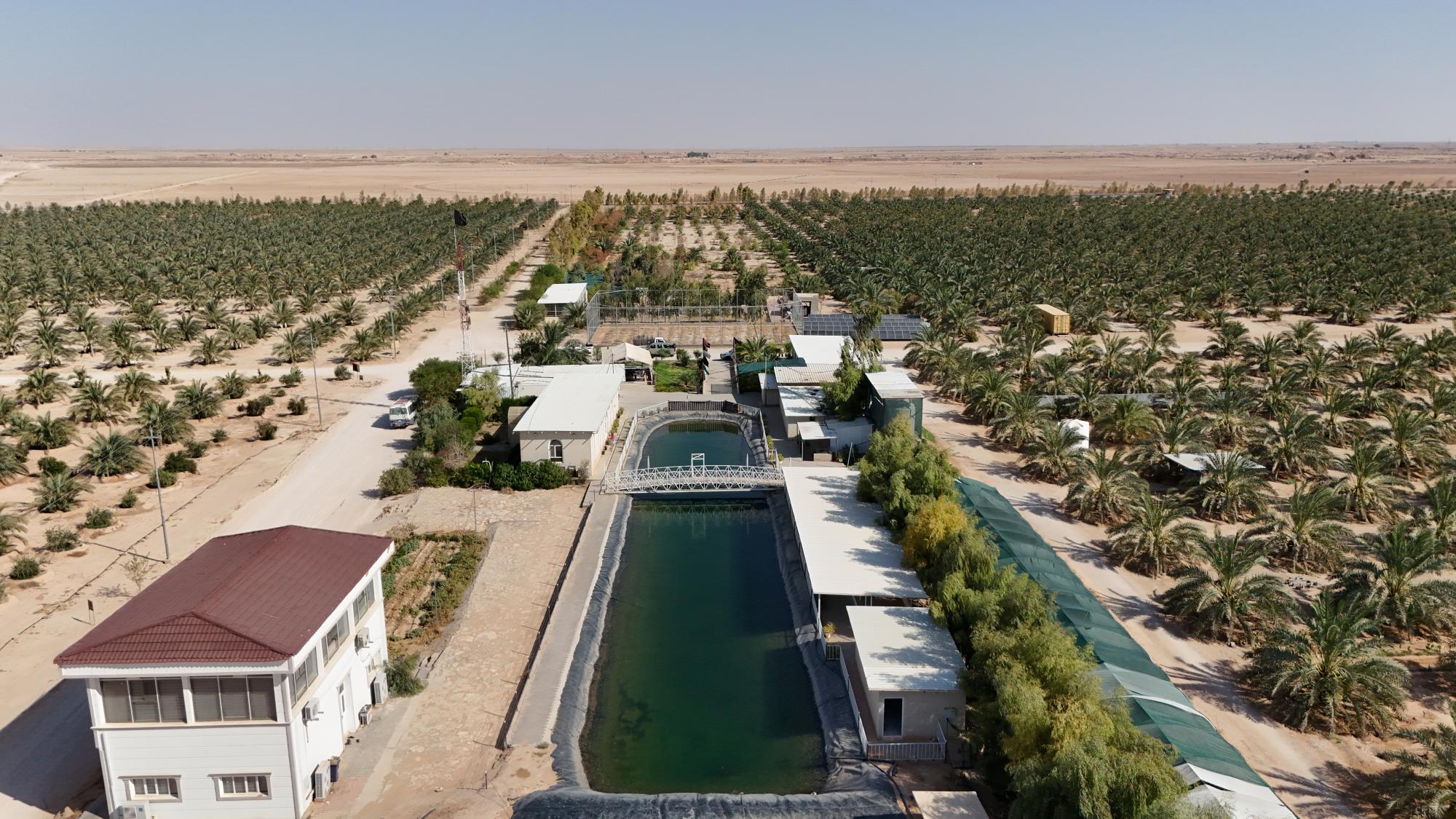
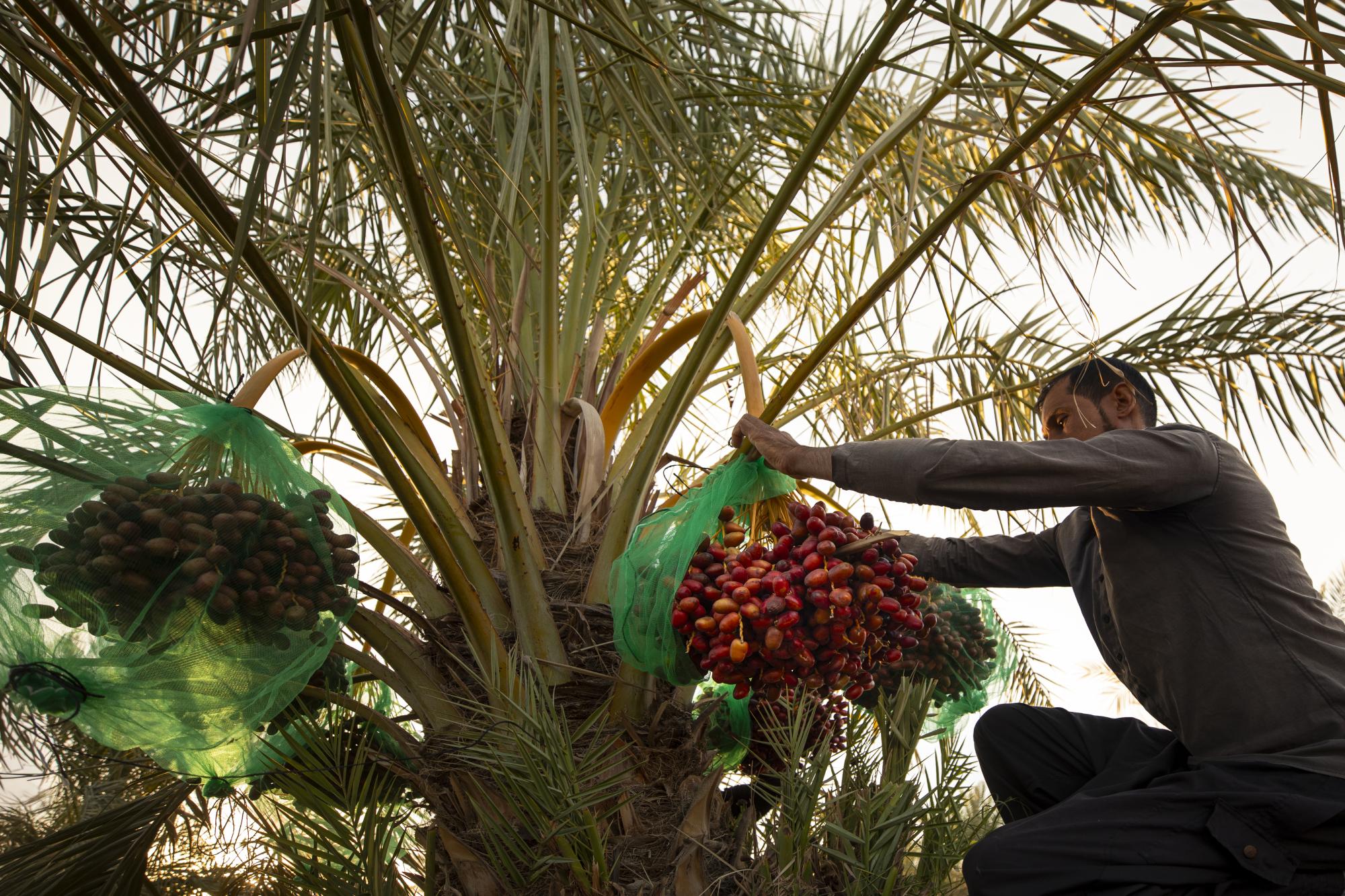
The technical assistant for the project, Engineer Alaa Medhat, said: "The Al-Saqi agricultural project was established on barren and harsh desert land, with the first palm tree planted in 2017, marking the beginning of the project under the supervision of the Engineering Projects Department at the Holy Shrine."
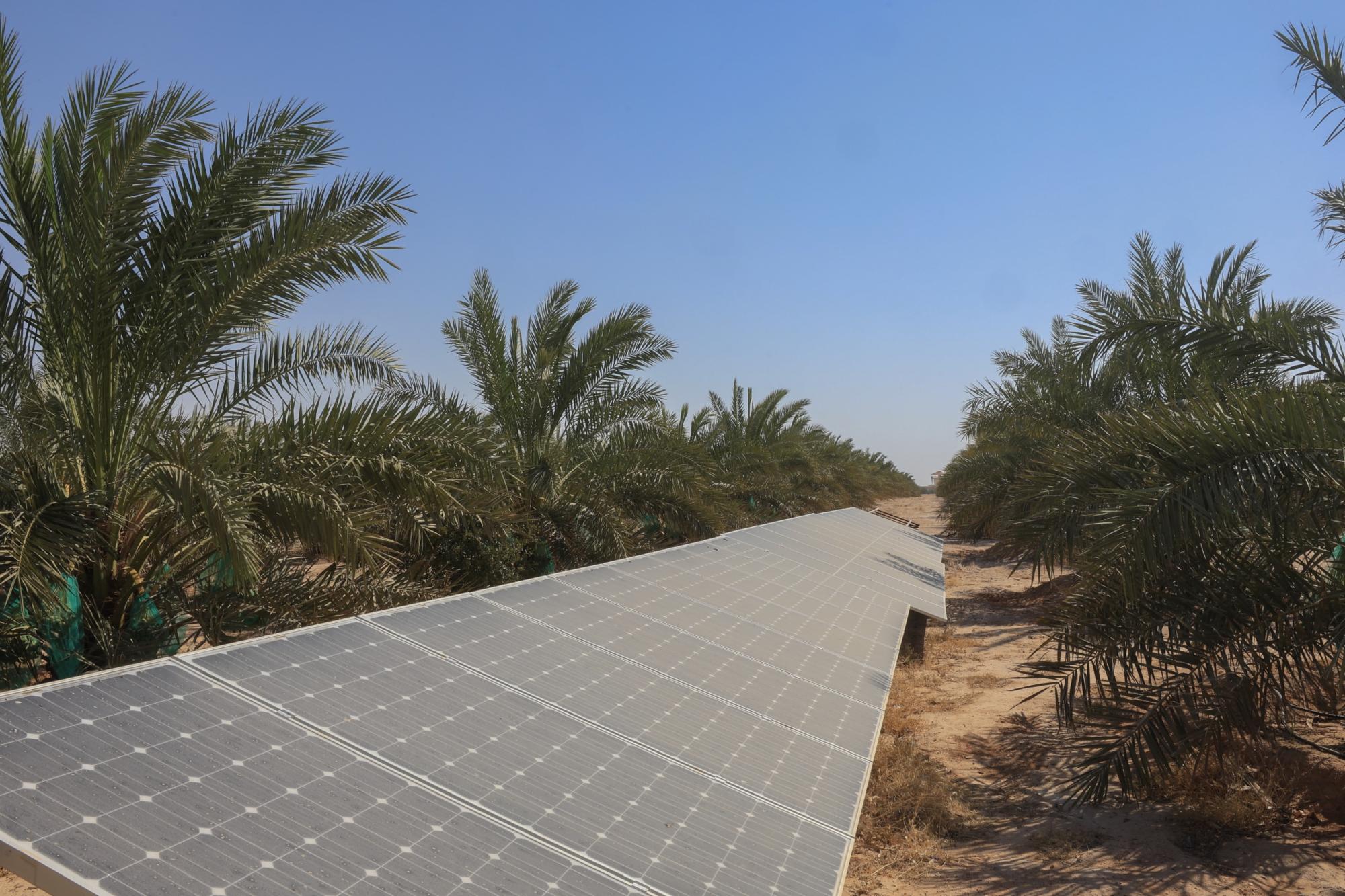
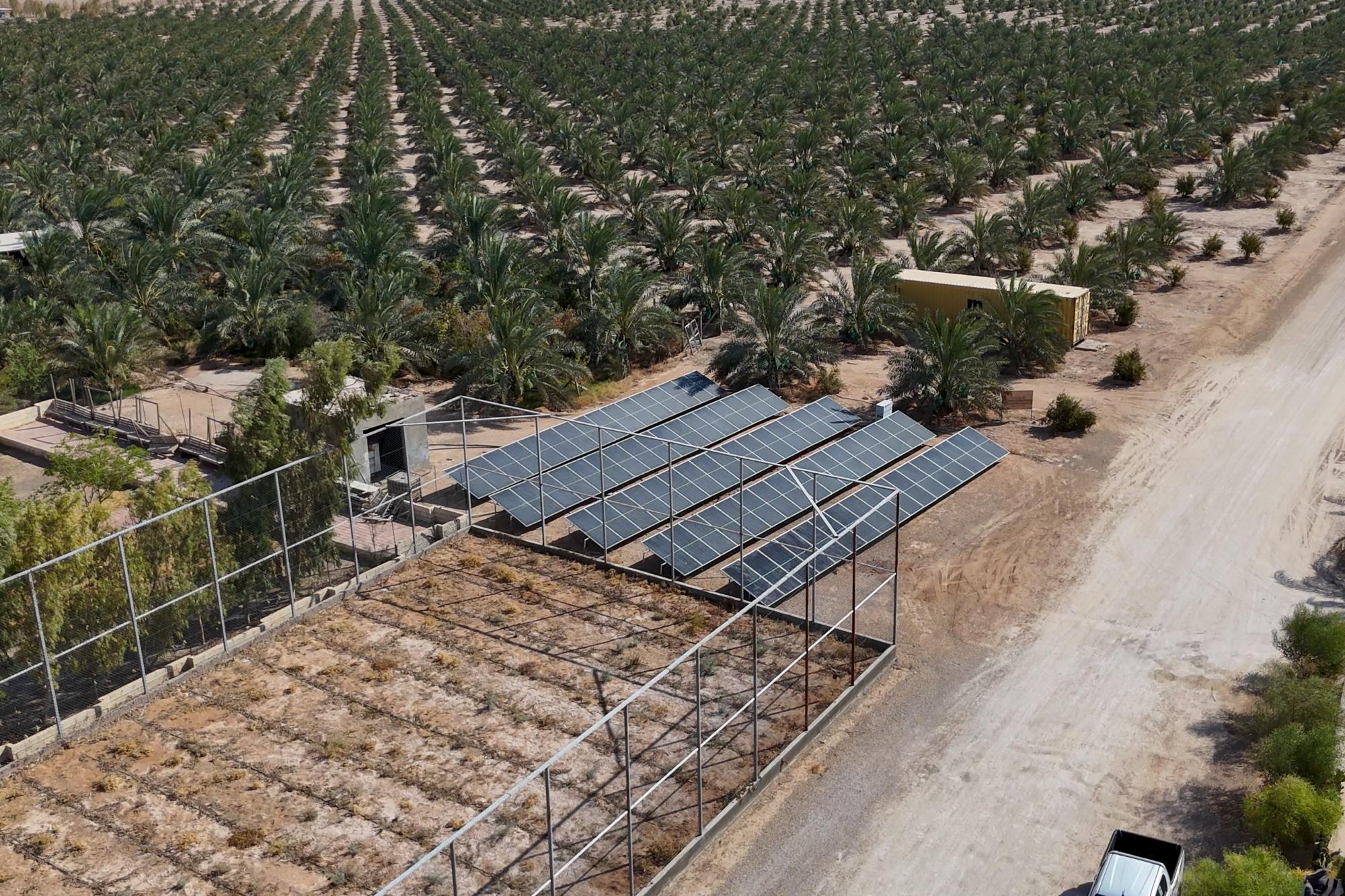
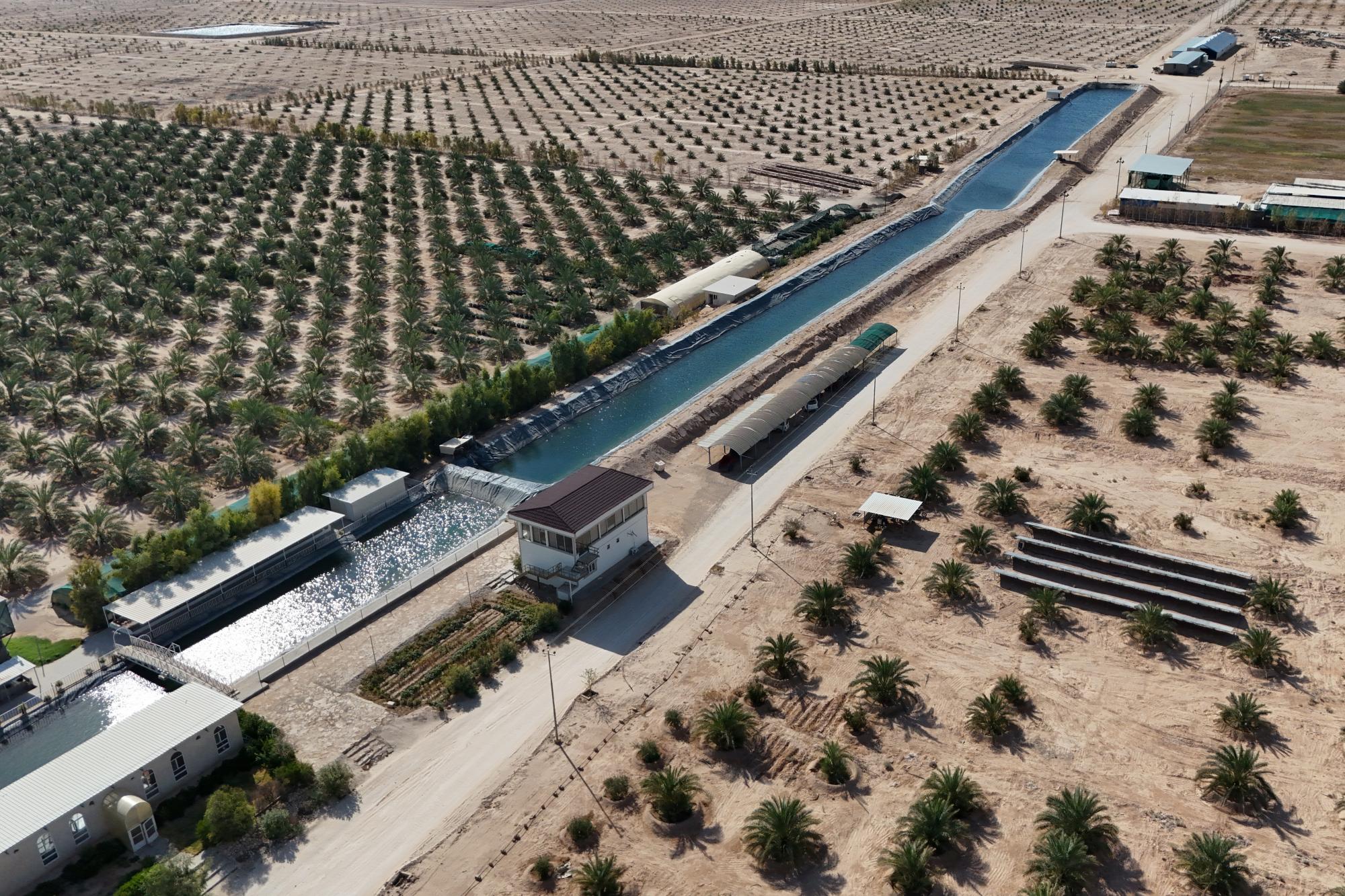
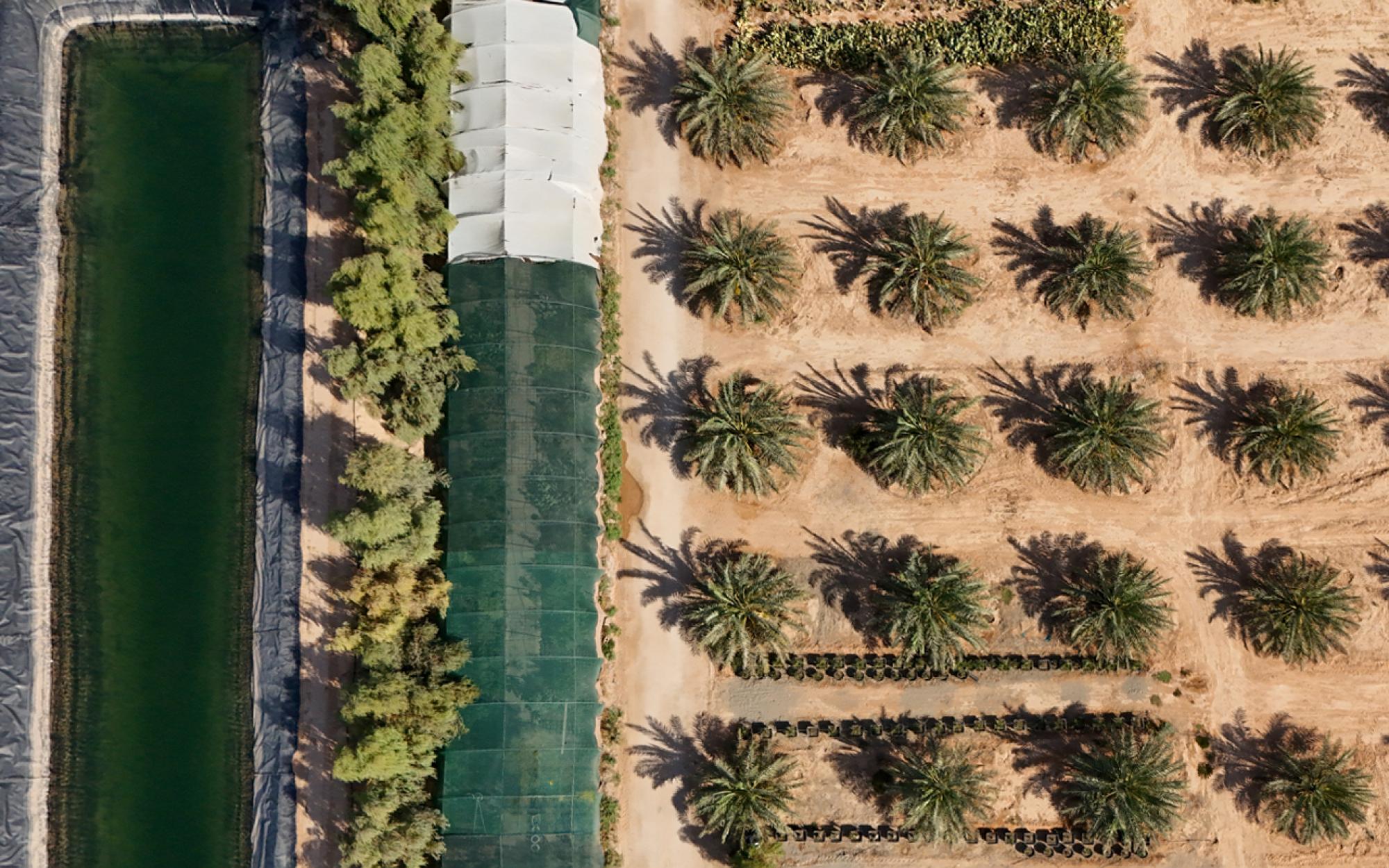
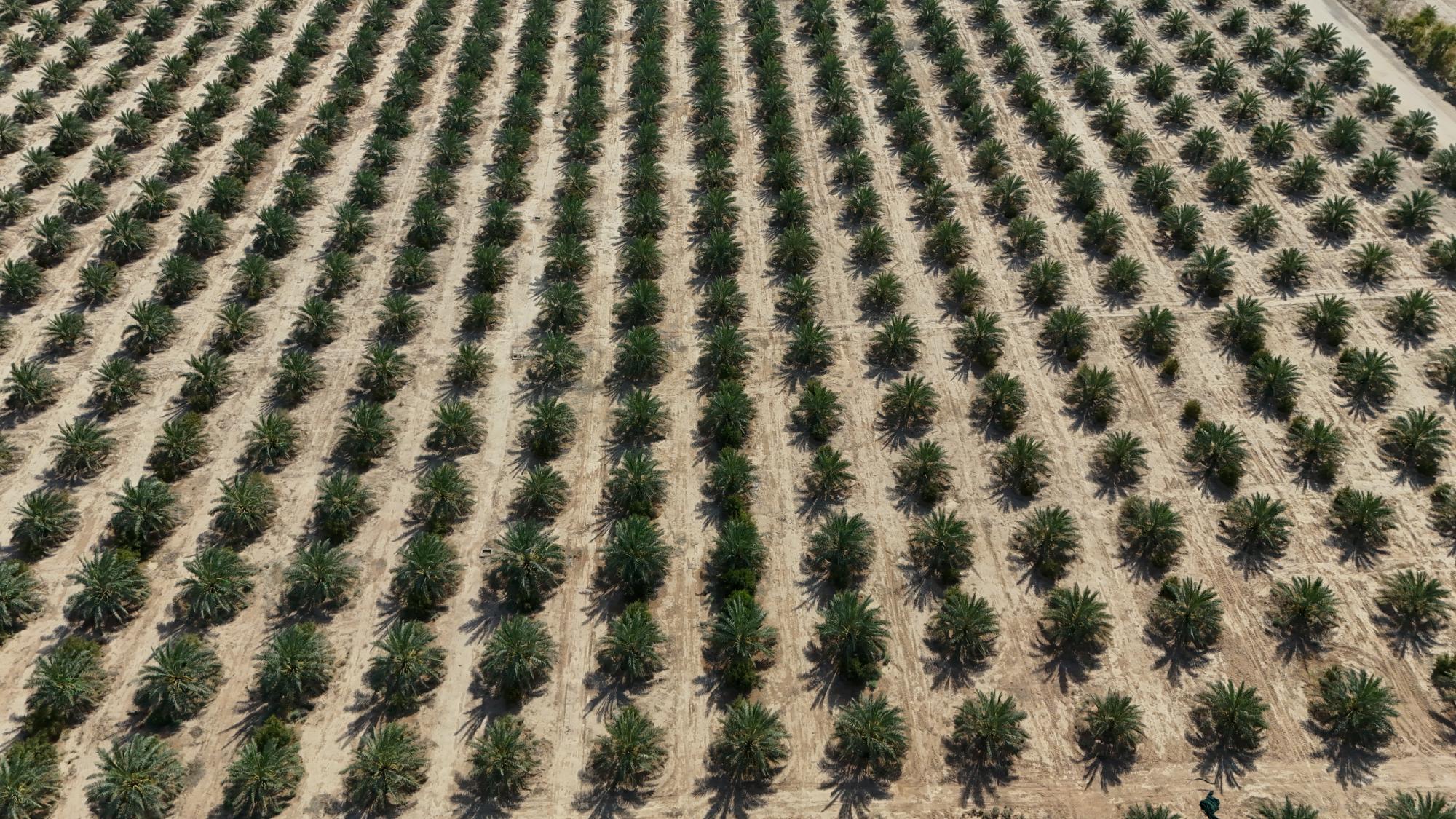
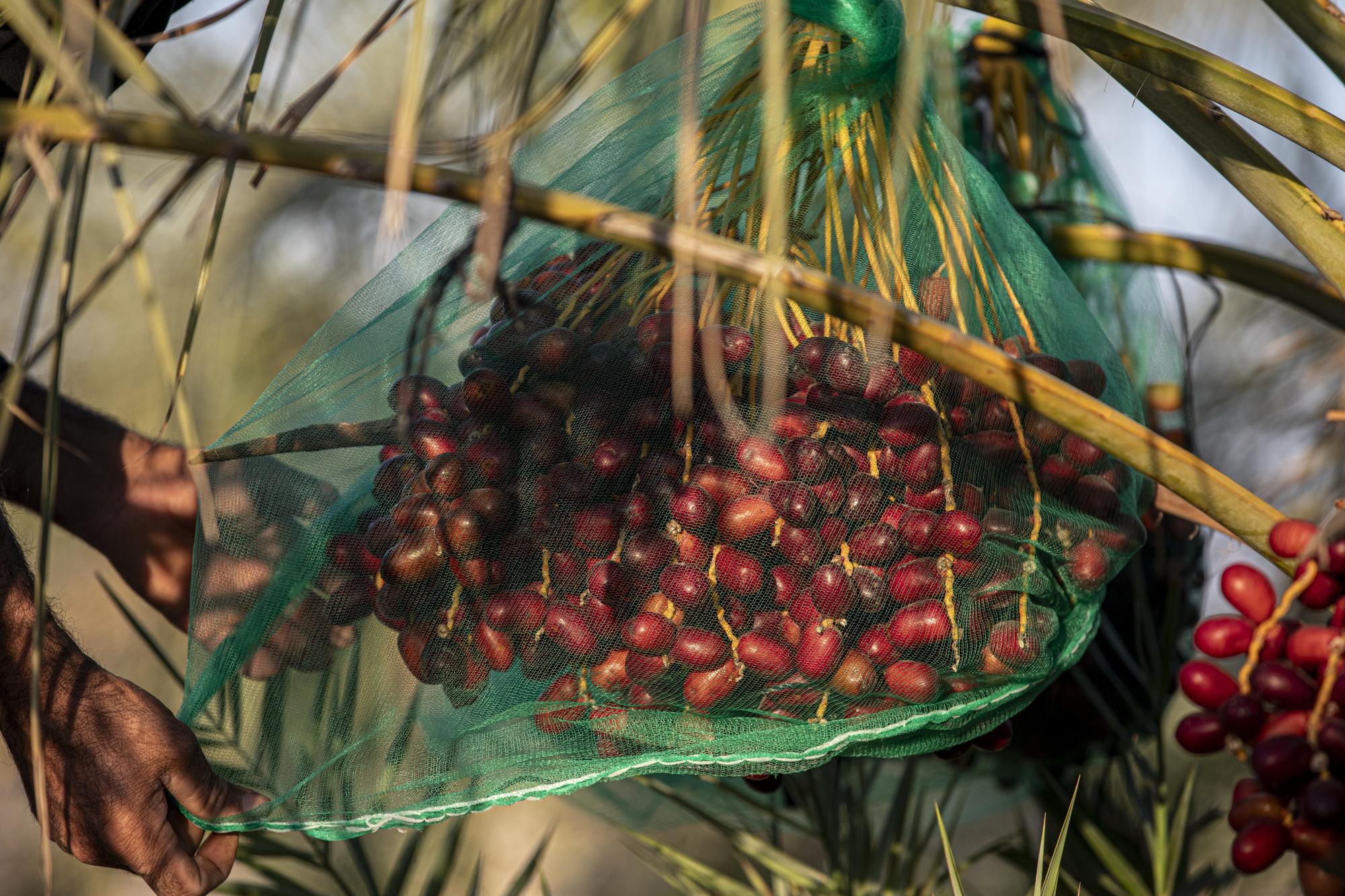
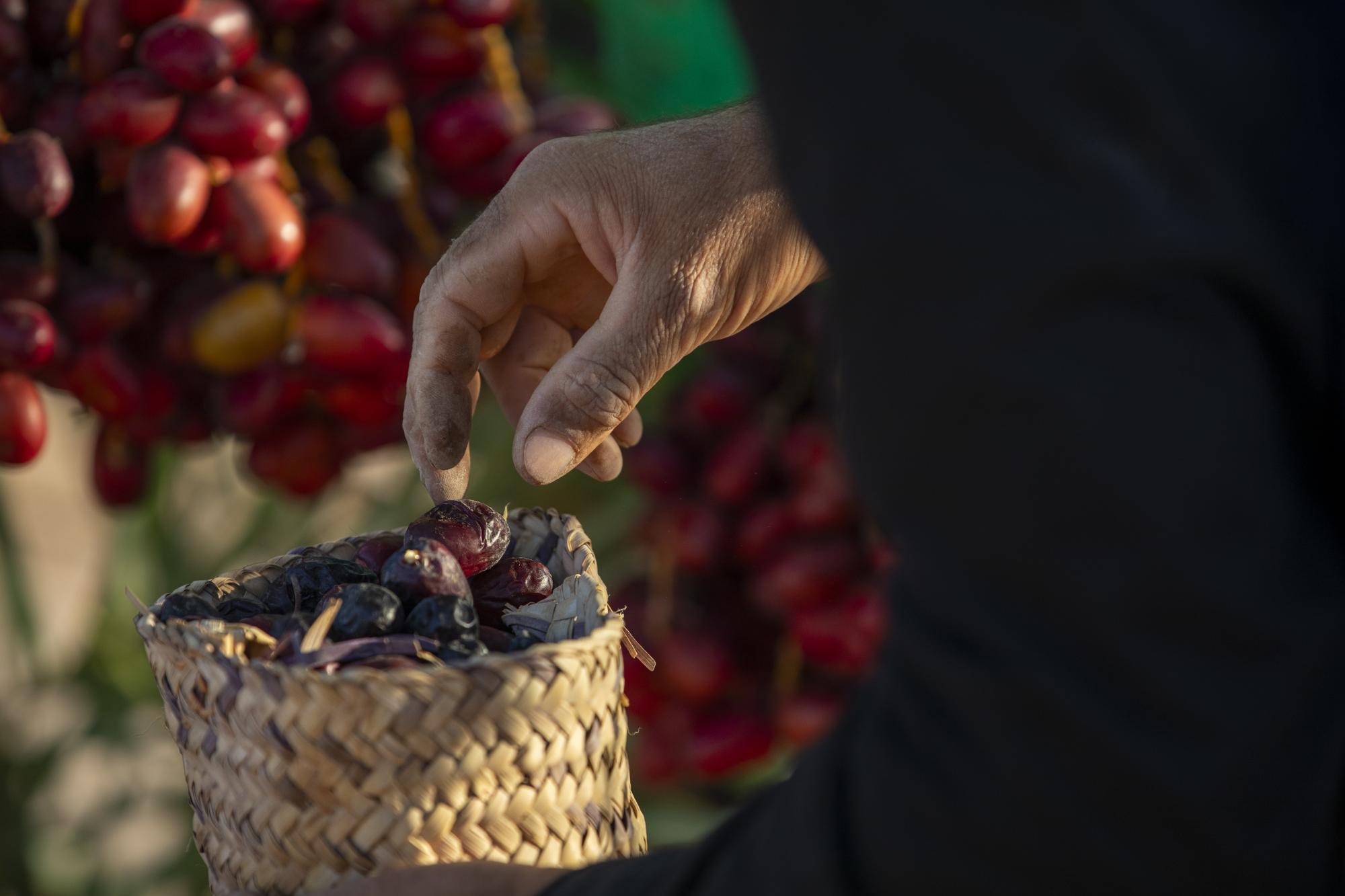
He added that the project's area is 11,000 dunams, and it includes about 40,000 palm trees distributed over more than 100 varieties of local and imported Arab palm trees, and that the foundation of the project is based on planting and propagating palm varieties.
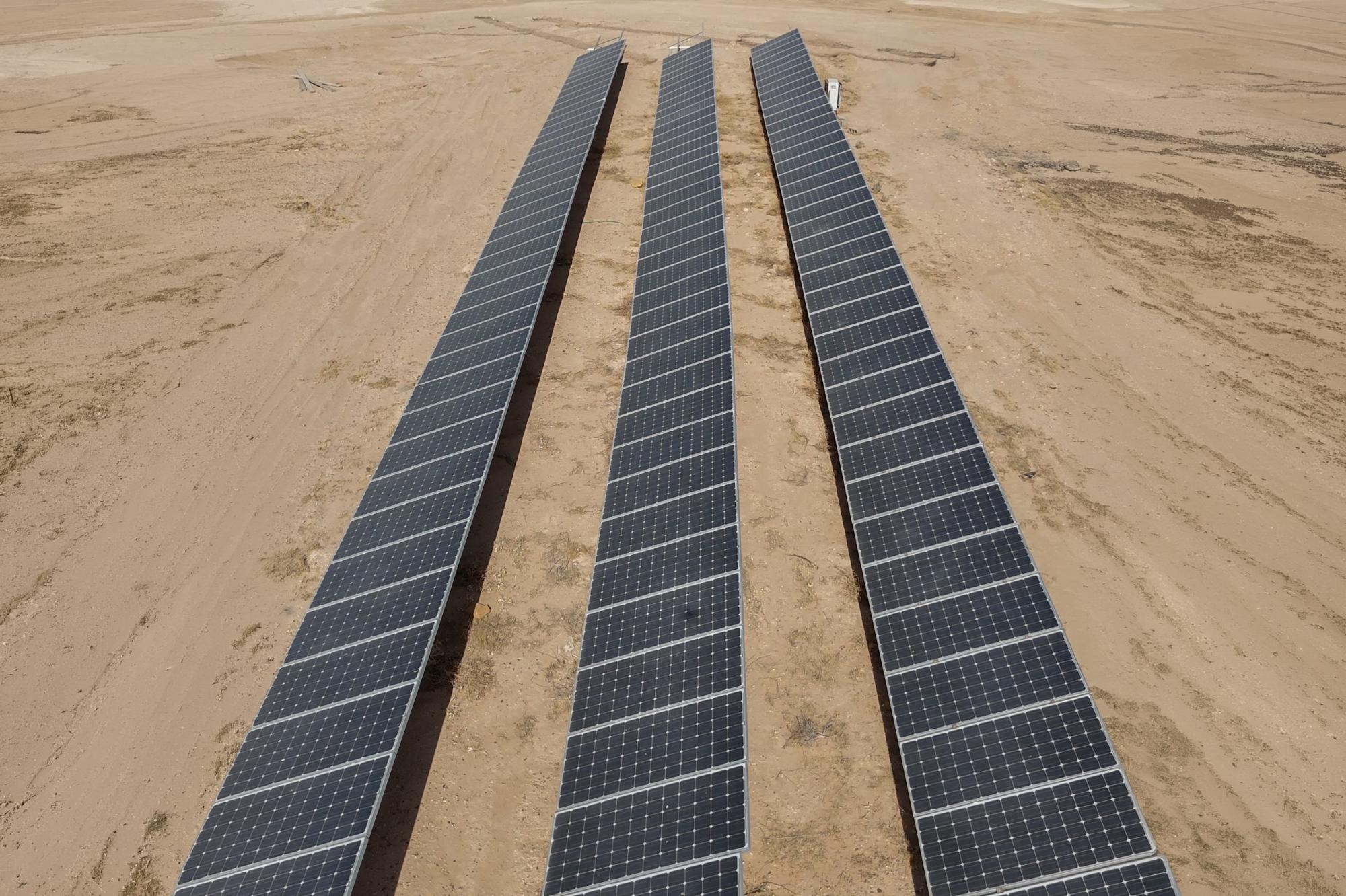
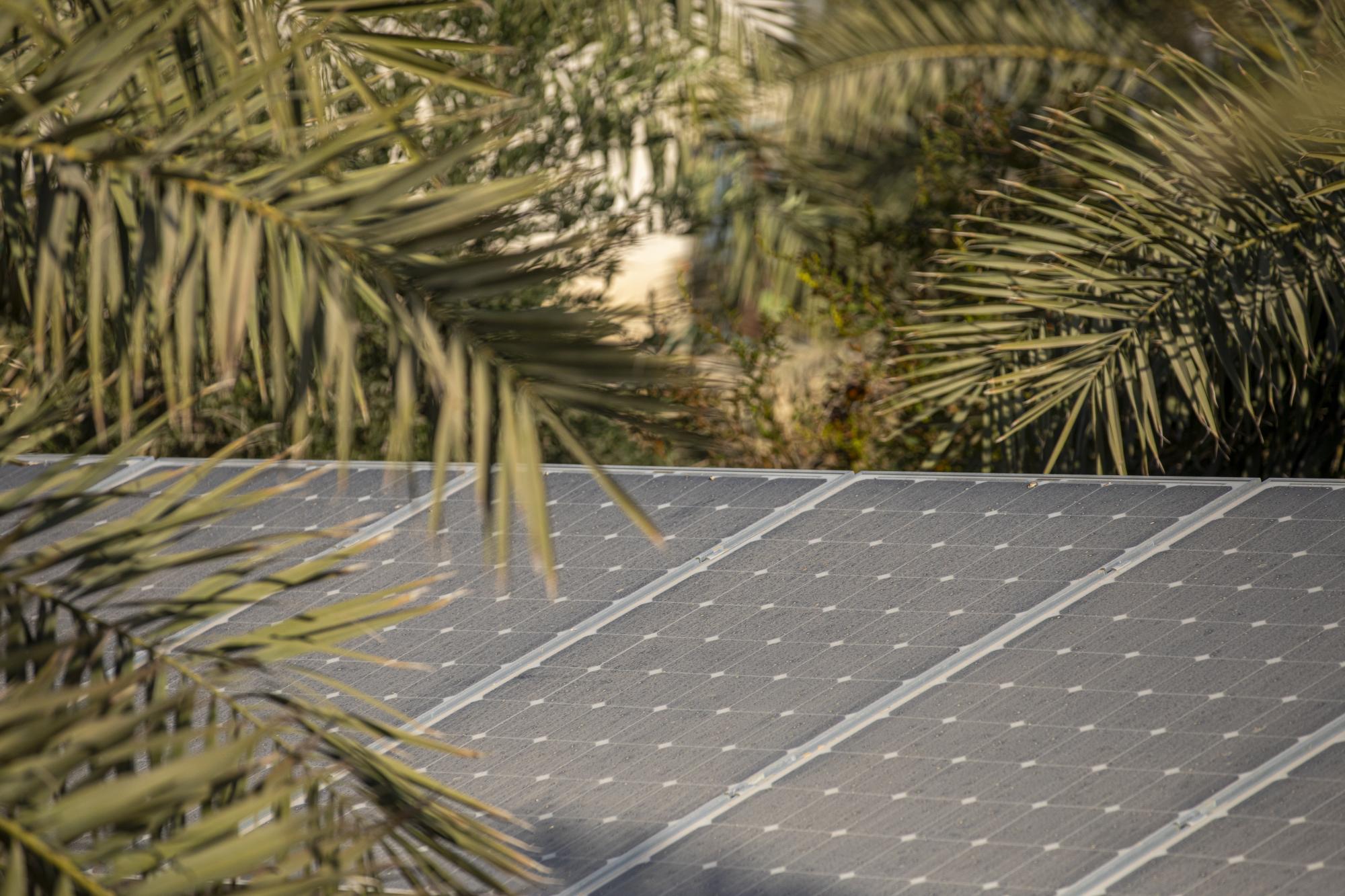
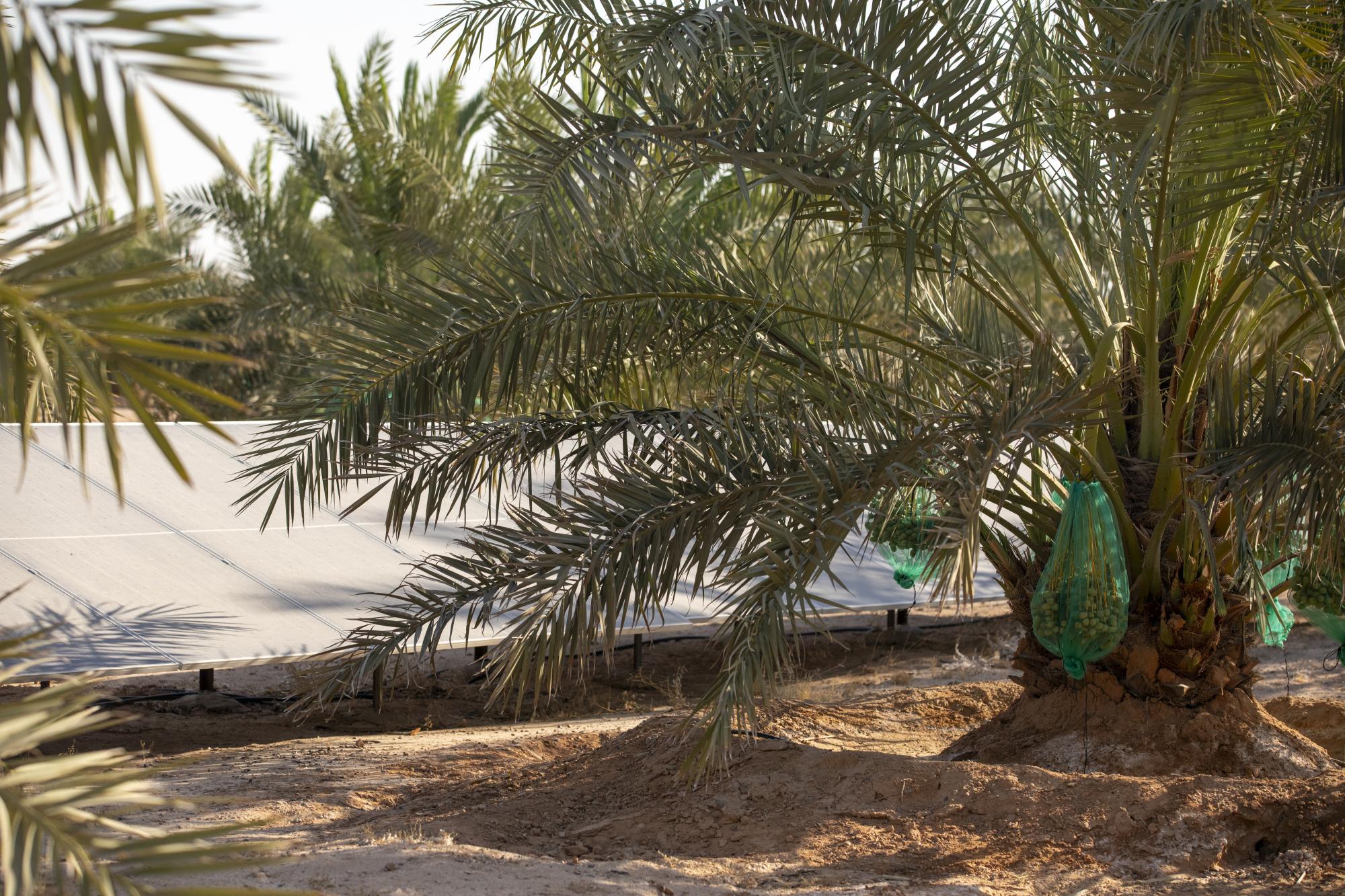
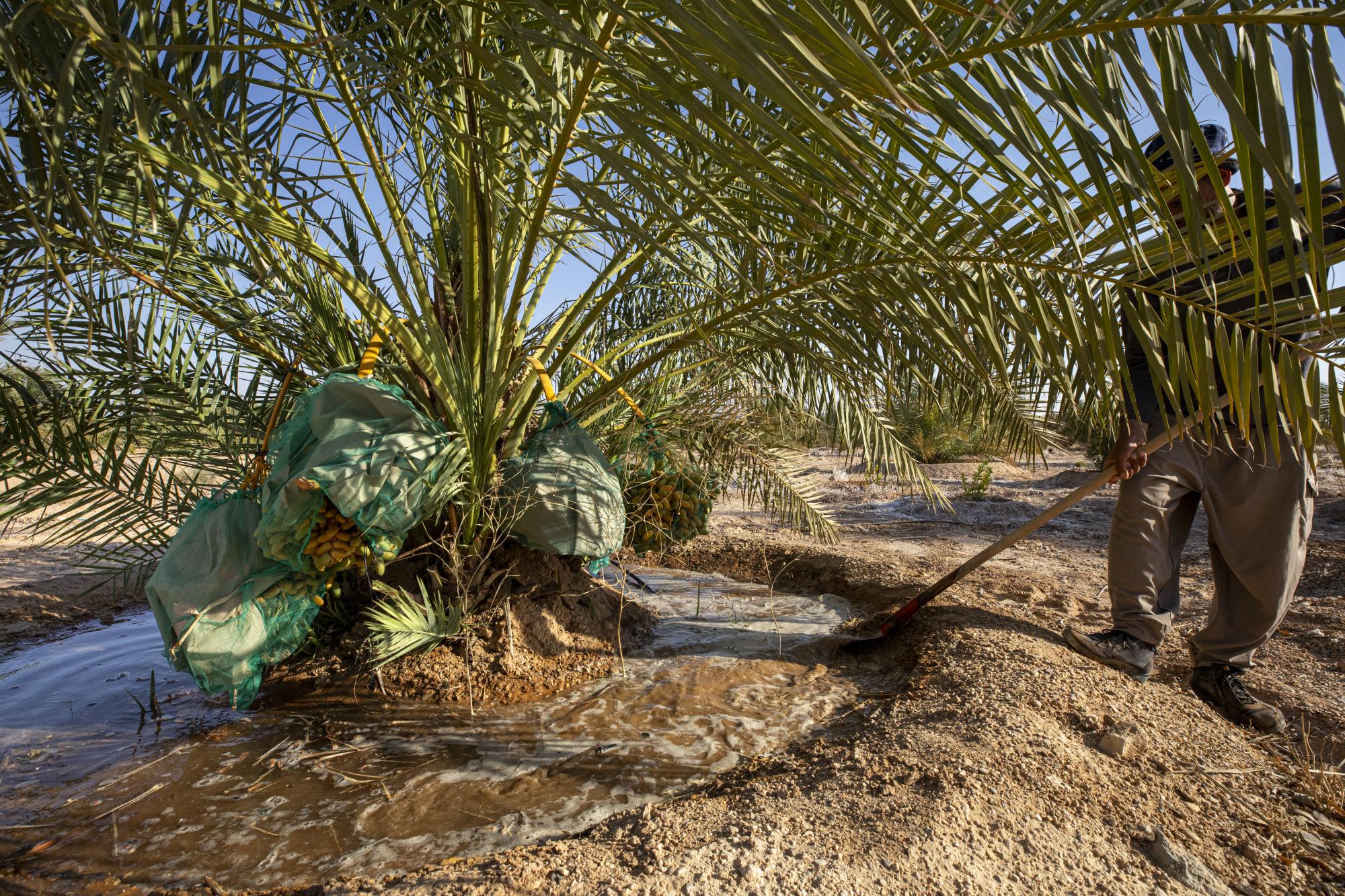
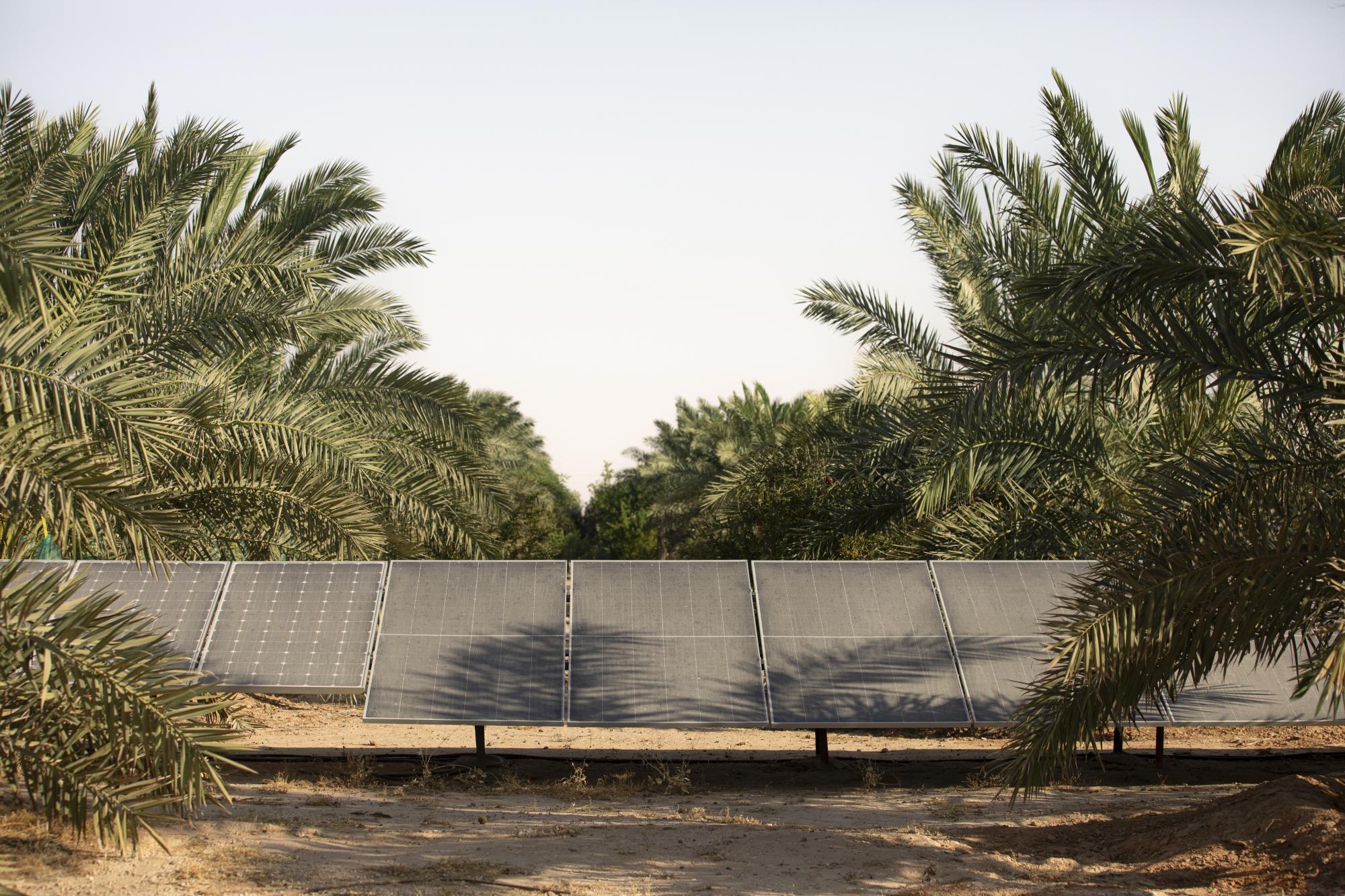
He pointed out that the project relies on well water for irrigating the palm trees, as the water is extracted and used in the drip irrigation process, with solar energy being used to operate the water pumps and extract the water from the wells.
He explained that the project used a number of modern and advanced technologies, in line with the nature of the challenges facing Iraq, particularly those related to electricity and energy sources. The project management decided to rely on clean energy to generate the electrical power needed for irrigation and other operations required by the project.
The Al-Saqi Agricultural Project is one of the initiatives adopted by the Al-Abbas's (p) Holy Shrine to support the agricultural sector in Iraq, particularly in Karbala Governorate, by reviving palm cultivation, expanding its production, and preserving the diversity of its varieties, which contributes to enhancing local production and supporting the Iraqi market.